How to Use Moringa Oil on Your Face: A Simple Routine by Skin Type
How to use moringa oil on the face, step by step: how much, when in your routine, damp-skin application, and adjustments for dry, oily, sensitive, and mature skin.
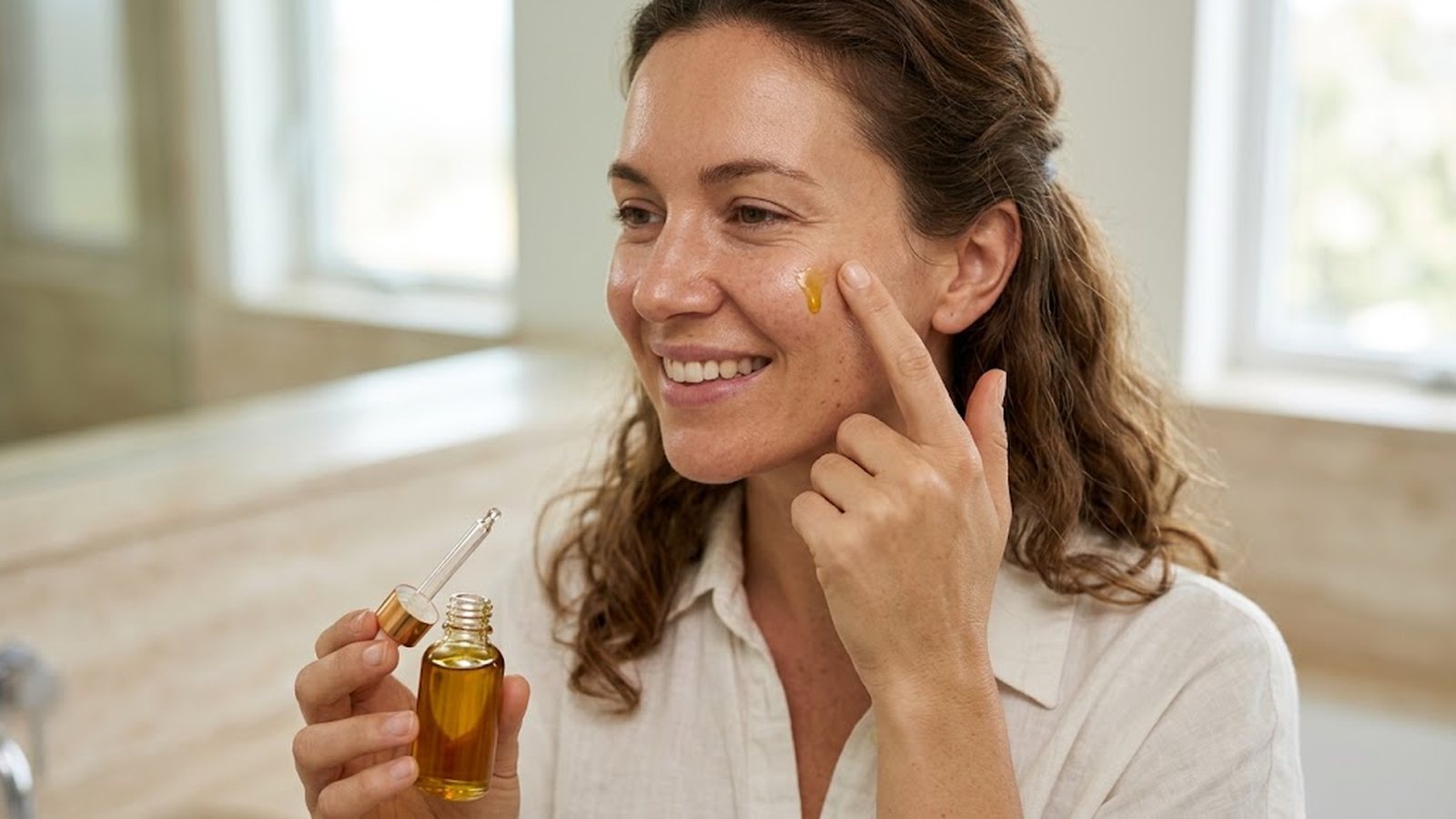
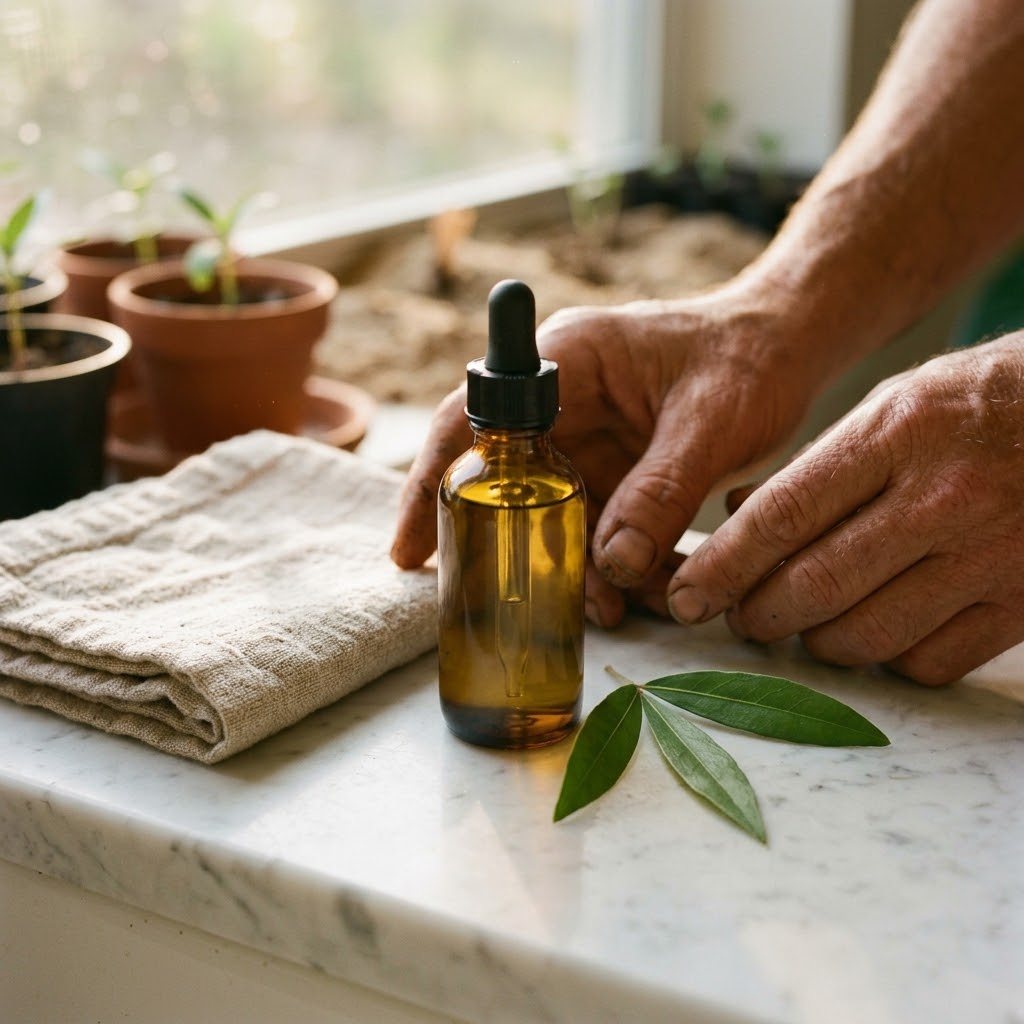
Moringa oil for face use is simple once you know two things: how little you need, and when to put it on. Most people who say a face oil made them greasy used too much of it on dry skin at the wrong point in their routine. Done right, a drop or two of moringa oil sinks in within a minute and leaves skin soft and comfortable with no shine. I sell cold-pressed moringa oil, checked by hand at my nursery in Weeki Wachee, Florida, and I have used it on my own weather-beaten face for years. This is the routine, with the adjustments for each skin type, and an honest word about what a face oil can and cannot do.
What moringa oil is, in one paragraph
A pale gold oil pressed from moringa seed, roughly 70 percent oleic acid with almost no polyunsaturated fat, which makes it light, fast-absorbing, and unusually resistant to going rancid. It is nearly scentless when fresh. It is an emollient: it softens the skin surface and slows water loss. It does not treat or prevent any skin condition, and nothing on this page should be read as a claim that it does. The full background is in moringa oil for skin and hair and the cold-pressed guide.
The basic routine
- Cleanse as you normally do, and leave the skin slightly damp. Pat, do not rub dry.
- Apply any water-based products first: a toner, a hydrating serum, whatever you use. Oil goes over water, never under it, because oil seals what is beneath it.
- Dispense one to three drops of moringa oil into your palm. Two is the right number for most faces. Rub your palms together to warm and spread it.
- Press, do not rub. Press your palms over your cheeks, forehead, chin, and neck. Pressing spreads a thin, even film; rubbing piles it up and pulls at the skin.
- Wait a minute. It absorbs. If there is still a sheen after two minutes, you used too much; next time, use less.
- Sunscreen in the morning goes on after the oil has absorbed. At night, the oil is the last step.
That is the whole routine. Morning, night, or both, depending on your skin.
By skin type
Dry skin
This is where moringa oil is happiest. Use it morning and night, two to three drops, over a hydrating serum or a light moisturizer on damp skin. In winter, or in air conditioning, layer it over your moisturizer rather than instead of it; the oil holds the moisture in. If your skin is very dry, warm a few drops between your palms and press them on while the skin is still wet from washing, which spreads the oil further and traps more water.
Normal skin
One to two drops at night is usually enough, with or without a moisturizer under it. In the morning, many people with normal skin skip the oil and go straight to moisturizer and sunscreen, or use a single drop mixed into their moisturizer. Use more in winter, less in summer.
Combination skin
Apply the oil where you are dry, cheeks and around the eyes usually, and skip the T-zone. One drop, pressed onto the dry areas only. Or mix a single drop into a pea of moisturizer and apply that everywhere; the dilution suits the oily areas better than neat oil does.
Oily skin
Moringa is a high-oleic oil, and some oily skin finds oleic-rich oils a little heavy. Try one drop at night only, on damp skin, and see how it feels the next morning. If it sits well, keep going. If it feels too rich, a drier oil such as argan may suit you better; the two are compared in moringa oil vs argan oil. Never use moringa oil as the only step on oily skin; put it over a light water-based hydrator.
Sensitive skin
Moringa oil is nearly scentless and contains no essential oils. That is a point in its favor for reactive skin. Still, patch-test first: a drop on the inside of the forearm or behind the ear, checked after twenty-four hours. Start with one drop at night on damp skin, alone, without other new products, so if anything reacts you know what did it. Any oil can bother a particular person, and the only way to know is to test.
Mature skin
Two to three drops at night, pressed over a hydrating serum, and one or two in the morning under sunscreen. Mature skin tends to be drier and often does well with the richer, oleic-rich texture of moringa. Do not expect it to change the structure of your skin; expect it to make dry, papery skin feel comfortable and look less dull, which is what an emollient does.
Around the eyes
A single drop, warmed on a fingertip, patted lightly around the orbital bone, not on the lid. Moringa is light enough not to migrate into the eyes overnight the way heavier oils can, but keep it below the brow and outside the lash line.
Under sunscreen and makeup
Give the oil two to three minutes to absorb before sunscreen; apply sunscreen over it in the normal amount. Makeup over moringa oil is fine and often smoother, but use less oil in the morning than at night, one drop rather than two, and blot with a tissue if there is any sheen before foundation.
Mixing it
Moringa oil takes to blending. A drop in your moisturizer, a drop in your foundation to sheer it, a few drops in an unscented body lotion, or equal parts with argan for a lighter all-purpose face oil. Mix in the palm, not in the bottle, so you are not shortening the shelf life of the whole bottle.
What to expect, and what not to
Expect skin that feels softer and more comfortable within a day or two, less tightness after washing, and a faint healthy look that comes from a well-moisturized surface. Expect it to last: a one-ounce dropper at two drops a night is most of a year. Do not expect it to clear or prevent anything. It is a good oil, used the way people have used it for a very long time, and that is the whole promise.
If the oil ever smells sharp, waxy, or like old nuts, it has oxidized; stop using it on your face. Fresh moringa oil is nearly odorless. The shelf life guide covers storage and what rancid looks like, and the honest answer is that it takes real neglect to get moringa oil there.
FAQ
Can I put moringa oil directly on my face?
Yes. One to three drops pressed onto damp, cleansed skin, over any water-based products and before sunscreen. Patch-test first if your skin is reactive.
Should I use moringa oil before or after moisturizer?
After. Oil seals what is beneath it, so water-based serums and moisturizers go first and the oil goes over them. Or mix a drop into your moisturizer.
How many drops of moringa oil should I use on my face?
Two for most faces. One for oily or combination skin, up to three for very dry or mature skin. If there is a sheen after two minutes, use less next time.
Is moringa oil good for oily skin?
It can be, one drop at night on damp skin, but its high oleic content feels heavy to some oily skin. If that is you, a drier oil such as argan may suit better.
Can I use moringa oil every day?
Yes. Many people use it every night and some use it morning and night. Adjust the number of drops to the season and to how your skin feels.
The short version
Cleanse, leave the skin damp, apply water-based products first, then press two drops of moringa oil over the face and neck and wait a minute. Sunscreen goes on after it absorbs. Dry and mature skin can use it twice a day; normal skin at night; combination skin on the dry areas only; oily skin one drop at night, or try argan instead; sensitive skin after a patch test. It is an emollient, not a treatment, and a one-ounce bottle used this way lasts most of a year.