Moringa Flowers: When They Bloom, Eating Them, and What Comes Next
A grower's guide to moringa flowers: when a tree blooms, whether the blossoms are edible, how to cook and brew them, the bees they bring, and pods versus leaf.
Moringa flowers surprise people who only know the tree as a source of green powder. One week the branch tips are all leaf; the next they carry loose sprays of small creamy-white blossoms with a scent somewhere between honey and jasmine, and every bee in the neighborhood has found them. At my nursery in Weeki Wachee, Florida, the PKM-1 trees I leave unpruned start blooming in their first year, and from late spring to fall there is usually something in flower. This is what the bloom means for the tree, what you can do with the flowers, and how to steer a flowering tree toward pods or back toward leaf.
When moringa blooms
Moringa flowers on the tips of mature growth. That has two consequences. First, a tree that is cut every two weeks for leaf almost never flowers, because the tips never get old enough. Second, a tree left to grow will flower within months, not years. PKM-1, the variety bred in India for early pods, sets flowers six to eight months from seed on a good site, sometimes sooner. The taller heirloom types take a year or two.
Here the first flush comes in late spring once the tree has put on a couple of feet of new growth, and a tree left alone keeps throwing flowers in waves through summer and into October. In the tropics it can bloom year-round. In cooler weather the flowers stop with the growth.
A tree also tends to flower hard when it is stressed: drought, a pot it has outgrown, or a hard pruning followed by neglect. That is the plant hedging its bets by making seed. If a young tree flowers heavily and grows little, it is usually asking for water or a bigger pot.
What the flowers look like
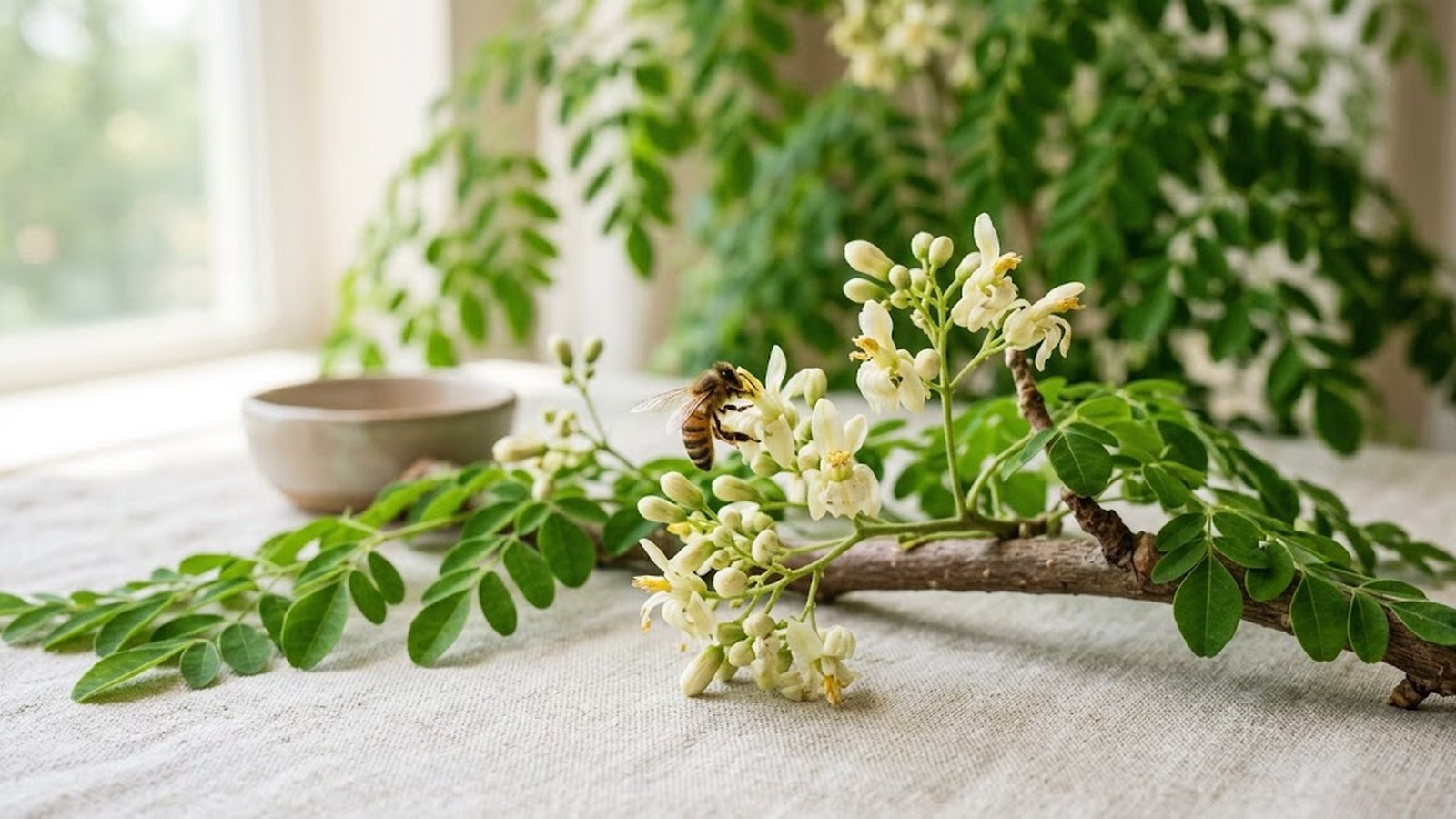
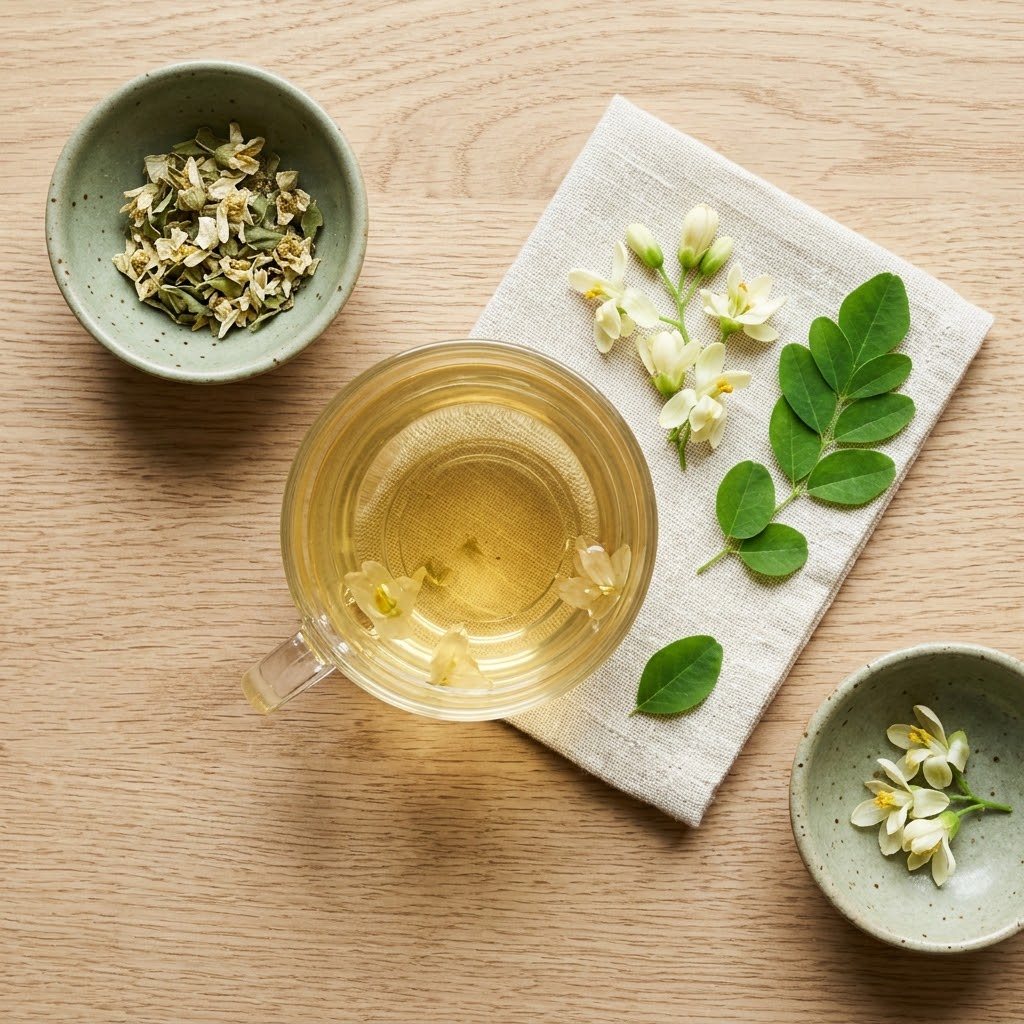
Each blossom is small, under an inch, with five unequal creamy-white petals, a spray of yellow stamens, and a faint blush of pale yellow at the base. They hang in loose, branching clusters of a dozen or more at the ends of the shoots. The scent is sweet and carries a few feet on a warm morning. Open flowers last a day or two; the cluster keeps opening new ones for a week or more.
Bees, wasps, butterflies, and hummingbirds work them constantly. A flowering moringa is the busiest plant in my yard for pollinators, and if you keep bees, the honey from a moringa flow is light and floral. That alone is a reason to let one tree bloom.
Are moringa flowers edible?
Yes. The flowers are eaten across South Asia and West Africa, always cooked. Raw, they have a slightly astringent, mushroomy taste that is not unpleasant but not great either. Cooked, they turn mild, faintly sweet, and a little like a mushroom-flavored asparagus tip.
Pick clusters in the morning when the flowers are freshly open, shake out the insects, and pull the individual blossoms off the stalks. Rinse gently; they are delicate. Use them the same day.
Three ways I cook them:
- In eggs. A handful of flowers folded into scrambled eggs or an omelet, cooked gently, is the classic. They soften in a minute and the flavor is subtle.
- Fritters. Fold a cup of flowers into a chickpea-flour batter with salt, cumin, and chili, and fry spoonfuls until golden. Same method as the leaf fritters in the fresh-leaf guide.
- Sautéed. A quick toss in butter or oil with garlic, thirty seconds, salt and lemon. Good on toast or over rice.
They are also stirred into soups and dals at the end, like the leaflets, and they go into a fresh-flower tea.
Moringa flower tea
Dry the blossoms in shade on a screen for a couple of days until papery, or use them fresh. Steep a tablespoon of dried flowers, or a small handful of fresh ones, in a cup of hot water off the boil for five minutes. The tea is pale gold, mildly sweet, and floral, with none of the green flavor of leaf tea. Honey suits it. Dried flowers keep a few months in a sealed jar out of the light, and lose their scent after that. This is a small-batch pleasure rather than something to make a habit of, because the flowers you brew are pods you will not get; the leaf-tea methods in the moringa tea guide are the everyday cup.
From flower to pod
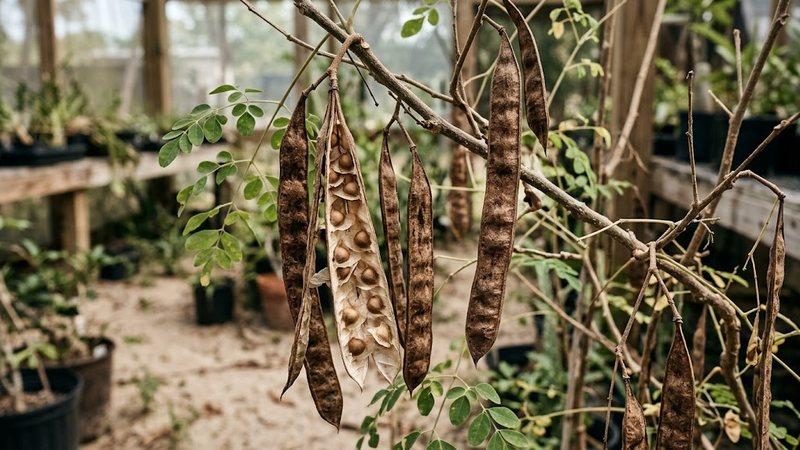
Pollinated flowers set pods within a couple of weeks. The pod starts as a thin green string and lengthens fast, reaching cooking size in six to eight weeks and full seed maturity, brown and dry, in three months or so. Each cluster sets a few pods, not one per flower; the tree drops most of its blossoms, which is normal and not a sign of trouble.
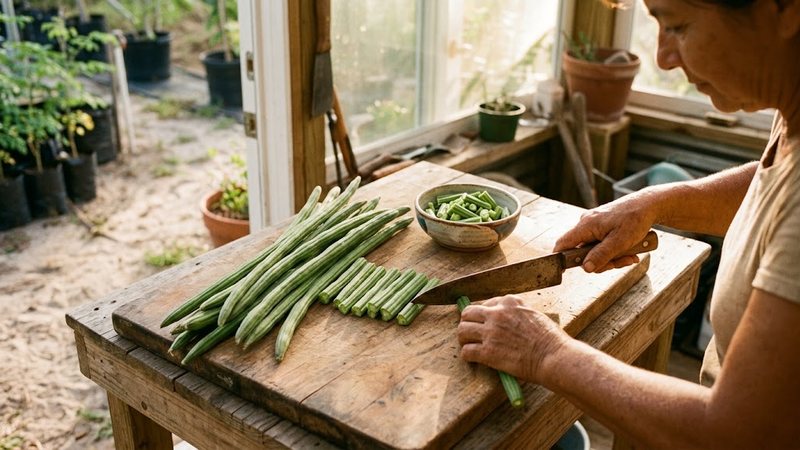
If you want pods for the kitchen, pick them slim and snappy as described in how to cook moringa pods. If you want seed for planting or for the seed kernels, let them go brown on the tree; the seed-saving guide picks up from there. A single unpruned PKM-1 gives more pods than a family can eat, so one flowering tree is usually plenty.
Steering the tree: flowers or leaf
You can push a tree either way at any time.
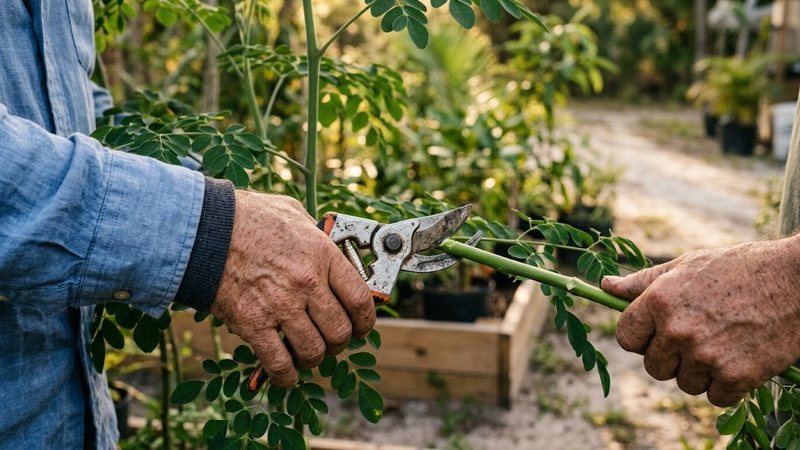
- For leaf, cut the flowering tips off. Take the shoot back eight to twelve inches, just above a node, and it branches into leafy growth again. Flowers cost the tree energy that would otherwise go into leaf, so a leaf tree should not be allowed to bloom. This is the routine in how to prune moringa.
- For flowers and pods, stop cutting. Let the shoots mature, keep the tree watered so it is not flowering from stress, and give it sun. A tree with a low branched frame, pinched once or twice as a seedling and then left alone, carries the most flowers at a height you can reach.
My own arrangement is a leaf hedge for most of the row and one or two trees at the end left to bloom. The pollinators get their flowers, the kitchen gets pods, and I get seed for next year without giving up any leaf.
Flowers in the kitchen versus flowers on the tree
A note of honesty about priorities. Flowers are a pleasant, occasional food. They are not the reason to grow moringa, and I would not strip a tree of its bloom for a plate of fritters. Eat a few, leave most for the bees and the pods, and think of the flowers as the tree's way of telling you it is happy.
FAQ
When do moringa trees flower?
On mature shoot tips, once the tree is left uncut long enough for the tips to age. PKM-1 can bloom six to eight months from seed; heirloom types take a year or more. In Florida the first flush is late spring, with waves through fall.
Are moringa flowers edible?
Yes, cooked. They are folded into eggs, fried in fritters, sautéed briefly, stirred into soups, or dried for a mild floral tea. Raw, they are slightly astringent.
Why is my moringa flowering and not growing leaves?
Because the tips have matured and switched to flowering, and often because the tree is stressed by drought or a small pot. Cut the flowering tips back to a node to push leafy growth, water it, and pot it up if the roots are cramped.
Do moringa flowers turn into pods?
Pollinated ones do. Pods appear within a couple of weeks, reach eating size in six to eight weeks, and mature to dry brown seed pods in about three months. Most blossoms drop without setting a pod, which is normal.
Do bees like moringa flowers?
Very much. A flowering moringa draws honeybees, native bees, wasps, butterflies, and hummingbirds, and beekeepers value the light floral honey from a moringa flow.
The short version
Moringa flowers on mature tips, so a tree cut for leaf rarely blooms and a tree left alone blooms within months, PKM-1 in its first year. The creamy, honey-scented blossoms are edible cooked, in eggs, fritters, a quick sauté, or a floral tea, and they bring every pollinator in the area. Pollinated flowers become pods in six to eight weeks and dry seed in three months. Cut the tips for leaf, leave them for pods, and let at least one tree bloom.