How to Eat Moringa Seeds: Raw, Roasted, or Boiled, and How Many
A grower's honest guide to eating moringa seeds: shelling, taste, raw versus roasted versus boiled, a sensible number to start with, and who should skip them.
How to eat moringa seeds is a question I get from two kinds of people: gardeners who ordered seed to plant and have a few left over, and people who read online that the seeds are the "next thing" after the leaf. Both deserve a straight answer. Yes, the kernels are edible. They are also strong-tasting, and they are one of the few parts of this plant where "more" is clearly not "better." I grow moringa for seed at the nursery in Weeki Wachee, and I eat a few of the kernels myself in season. Here is what they taste like, how to prepare them, a sensible amount, and who should leave them alone.
What a moringa seed is
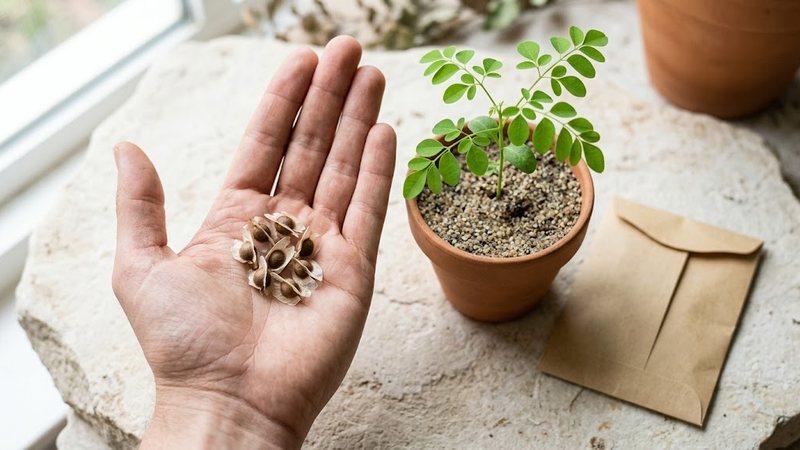
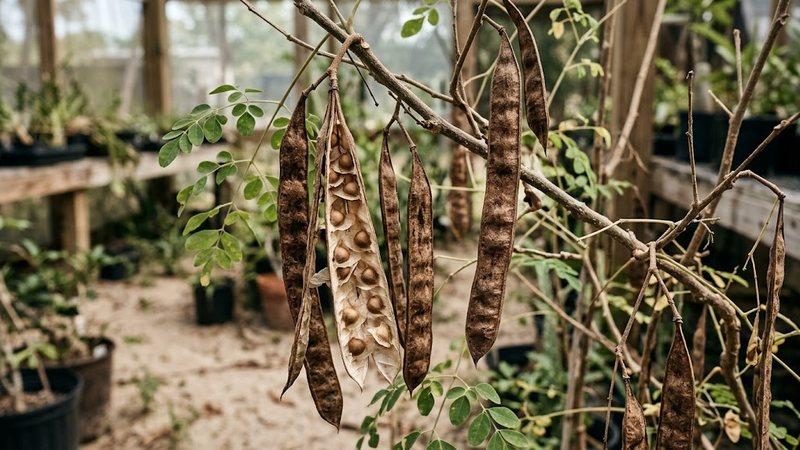
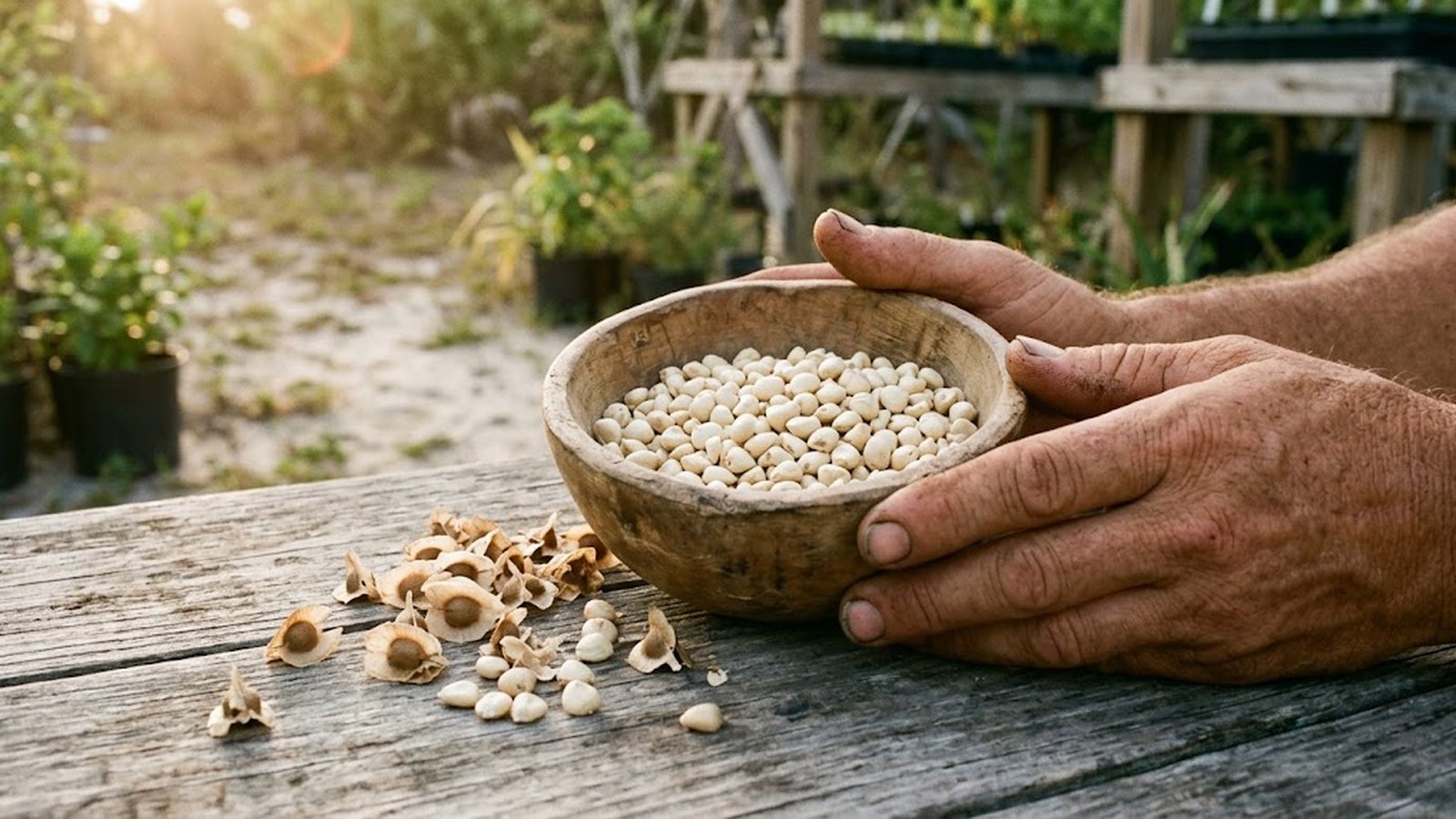
Inside a mature brown pod are rows of round seeds about the size of a chickpea, each wrapped in a papery tan shell with three thin wings. Under the shell is a pale, cream-colored kernel. The kernel is the edible part; the shell and wings are not eaten. The kernel is roughly 40 percent oil, which is what moringa oil is pressed from, along with protein and a family of pungent compounds called glucosinolates, the same class that gives mustard and horseradish their bite.
If you are buying seed to eat rather than to plant, know that most seed sold in the United States, including mine, is sold for planting. It is the same seed, but a planting listing will not carry food-handling claims, and the seed guide is written for growers. Seeds sold specifically as a snack are usually already shelled.
Shelling
Hold a seed between thumb and finger and press until the papery shell splits, then peel it off with the wings. It takes a few seconds per seed and there is no faster way. Fresh seed from a recently dried pod shells easily; old seed can be brittle. Discard any kernel that is shriveled, dark, or smells musty.
What they taste like
Raw, a moringa kernel starts out mild and nutty, a little like a raw peanut or a green almond, and then, a few seconds in, turns sharply bitter with a pungent, horseradish-like heat at the back of the throat. That second phase is the glucosinolates. Some people find it interesting; most find one or two seeds plenty. A curious aftereffect that people often report is that water drunk right after tastes noticeably sweet.
Roasting and boiling both take the edge off, which is why most people who eat the seeds regularly do not eat them raw.
Three ways to eat them
Raw. Shell and chew, ideally with food or right after a meal rather than on an empty stomach. Start with one. This is the traditional way and the strongest-tasting.
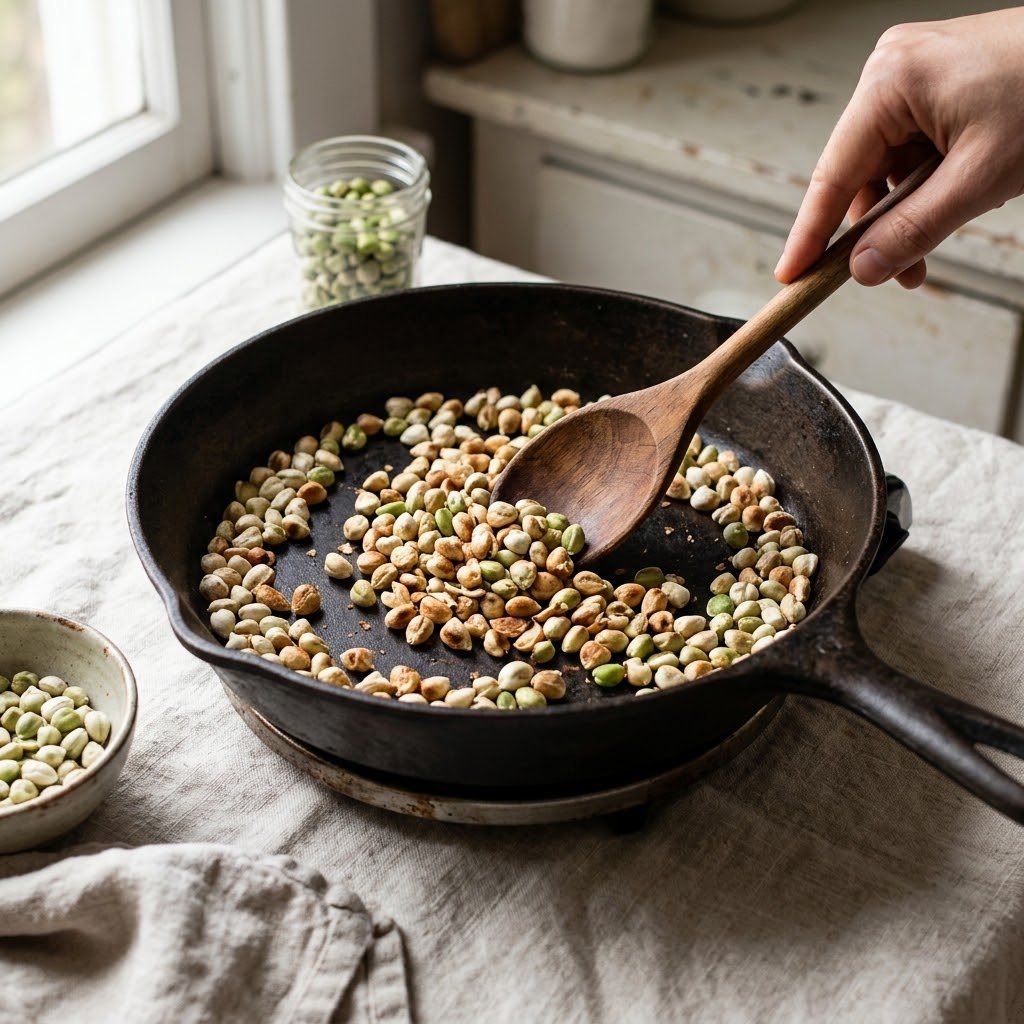
Roasted. Shell the kernels and toast them in a dry skillet over medium heat for three to five minutes, stirring, until they take on a little color and smell nutty. Salt them while warm. Roasting mellows the bitterness a good deal, and roasted kernels can be chopped over rice, salads, or oatmeal like any toasted nut. They keep a week or two in a jar.
Boiled. Shell the kernels, simmer in salted water for ten to fifteen minutes, and eat them like boiled peanuts, or add them to a soup or stew for the last fifteen minutes. Boiling gives the mildest result and the softest texture. In parts of West Africa, seeds are cooked into sauces this way. Very young, tender seeds still inside green pods are eaten as part of the pod; see how to cook moringa pods.
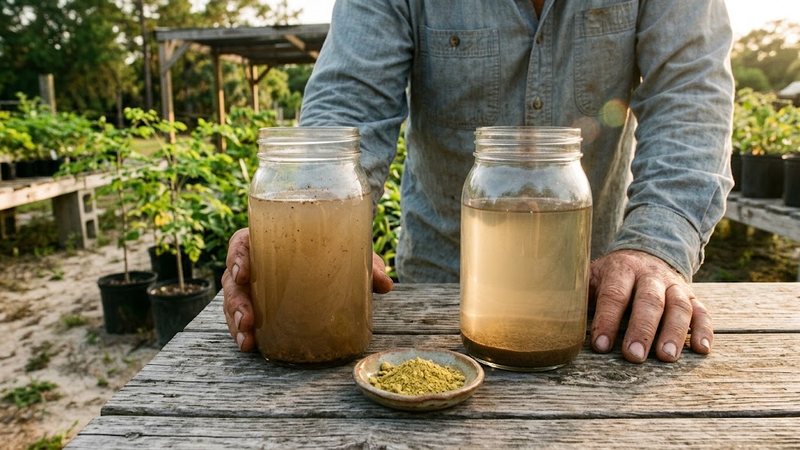
A fourth use, not eating exactly: a kernel or two crushed and used to clarify water, which is covered in moringa seeds and water purification.
How many
Here is where I part company with a lot of what is written online. The seeds are pungent, oily, and in quantity they have a laxative effect that is well known everywhere the tree grows. They are not a snack to eat by the handful.
A sensible way in is one seed a day for a few days, with food. If that sits fine, two or three a day is the amount most traditional users settle at, and a common ceiling for regular use. Eating five or six at once is how people end up with stomach cramps and an afternoon they would rather forget. I have done it, once, out of curiosity, and once was enough.
If you want a lot of what the seed contains, the sensible route is the oil, which has none of the pungent compounds and none of the laxative effect. If you want a green food you can eat every day in real amounts, that is the leaf, not the seed. The seed is a small, occasional thing.
Who should skip them
- Anyone pregnant or trying to become pregnant. Moringa seed, root, and bark have traditional cautions attached to them in pregnancy that the leaf does not. This is not a place to experiment.
- Anyone with a sensitive stomach, or who is already dealing with digestive trouble. The laxative effect is real.
- Children. A whole seed is a choking hazard, and the pungency is unpleasant for them anyway. The leaf is the family food.
- Anyone on daily medication should mention moringa seed to a pharmacist or doctor before making it a habit, the same as with any concentrated plant food.
The leaf is a mild green vegetable with a long history as an everyday food. The seed is not in that category, and it should not be eaten as if it were. The safety FAQ covers the leaf in detail.
Buying and storing seed to eat
Whole seed in the shell, kept dry and dark in a sealed jar, stays good for eating for a year or more, though it loses germination viability faster than that. Shelled kernels are oily and go stale within a couple of months; shell as you go. Seed that smells rancid, like old nuts, is past it. Seed from my own trees is harvested from mature dry pods, dried further indoors, and stored in the shell; the seed-saving guide describes the process if you want to do the same.
FAQ
Can you eat moringa seeds raw?
Yes. Shell them and chew. They start nutty and turn sharply bitter and pungent. Eat one or two with food, not on an empty stomach. Roasting or boiling mellows them considerably.
How many moringa seeds should I eat a day?
Start with one a day. Two or three a day is a common amount for regular users and a sensible ceiling. More than that at once commonly causes stomach upset and a laxative effect.
What do moringa seeds taste like?
Mild and nutty at first, like a raw peanut, then bitter with a horseradish-like heat. Water drunk afterward often tastes sweet. Roasted, they taste closer to a nut.
Do you need to peel moringa seeds?
Yes. Remove the papery tan shell and wings and eat only the pale kernel inside.
Can pregnant women eat moringa seeds?
The seed, root, and bark of moringa carry traditional cautions in pregnancy that the leaf does not. Skip the seeds during pregnancy and talk to a doctor about any moringa product.
The short version
Shell the seed, eat the pale kernel, and start with one. Raw is pungent and bitter after a nutty start; dry-roasting for a few minutes or boiling for ten makes them far milder. Two or three a day with food is a sensible ceiling, and a handful is a mistake you make once. Skip them in pregnancy, for children, and for anyone with a touchy stomach. The leaf is the everyday food; the seed is a small, occasional one, and the oil is the way to get what the seed holds without the bite.